
Three historic timepieces have been stolen from the Ulysse Nardin heritage museum at the manufacture’s headquarters in Le Locle, including one of the brand’s most unusual modern complications, the 2002 Genghis Khan. This is not simply a case of three watches disappearing from a display cabinet. The theft has taken pieces from Ulysse Nardin’s own documented history, and the manufacture is now asking collectors, auction houses and the wider watch industry to help identify them if they surface.
Three very different pieces are missing
The best known of the three is the Ulysse Nardin Genghis Khan from 2002, a tourbillon minute repeater with animated figures that move in synchronisation with the chiming mechanism. It belongs to the kind of high-complication watchmaking that made Ulysse Nardin particularly distinctive around the turn of the millennium: technically ambitious, theatrical and immediately recognisable.
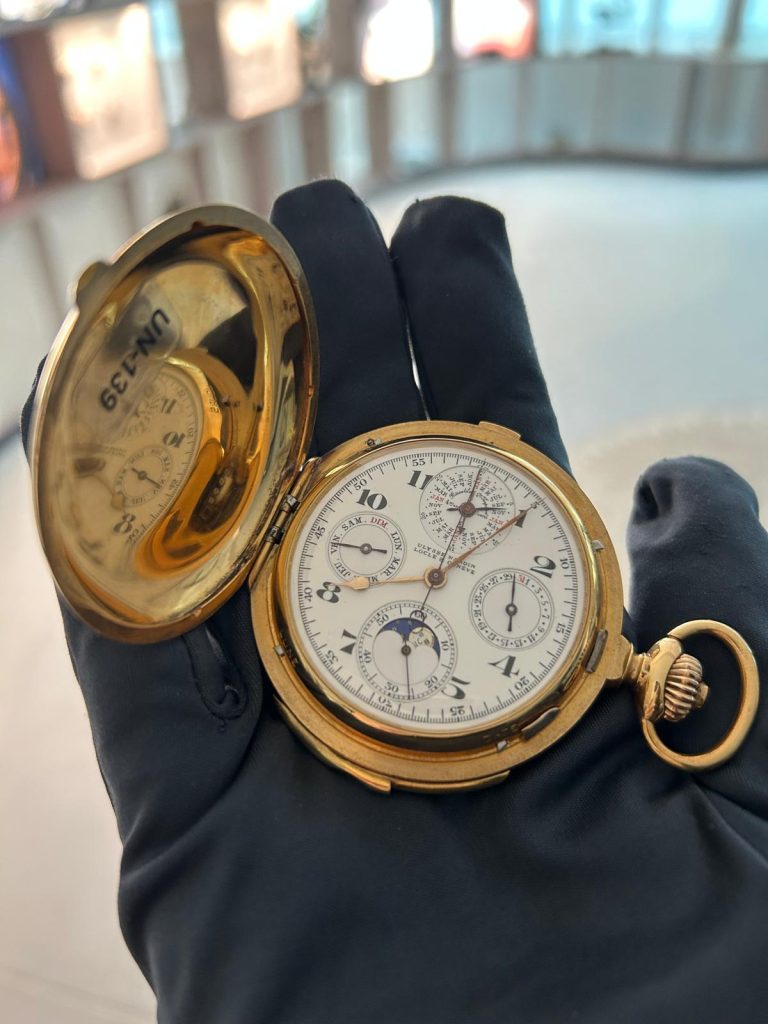
The second watch is a Grande Complication pocket watch from 1927. Its list of functions is formidable even by modern standards, combining a minute repeater, chronograph, perpetual calendar and moonphase display in a single historic piece.
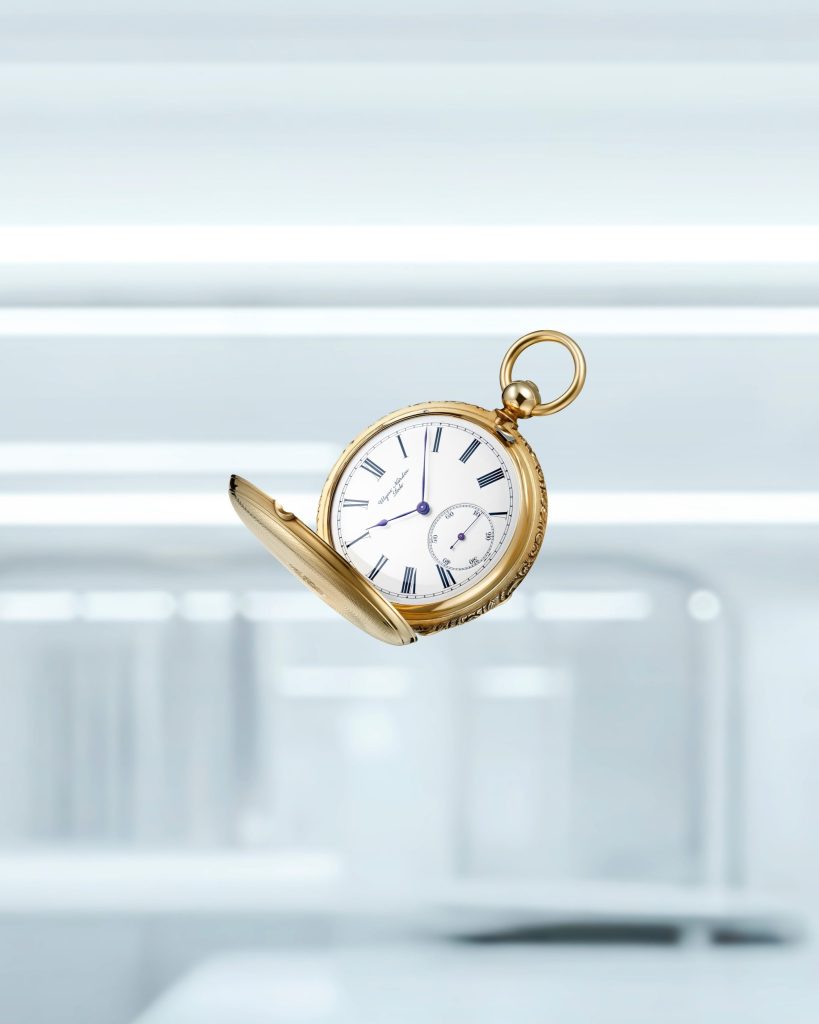
The oldest of the three dates from 1860. It is an eight-day power-reserve pocket watch with a Grand Feu enamel dial, a very different expression of the brand’s watchmaking. Instead of mechanical theatre, this one represents the precision-focused pocket-watch tradition from which Ulysse Nardin originally grew.
Why these watches matter beyond their value
Putting the three pieces next to each other makes the loss easier to understand. They come from different periods and represent very different parts of the manufacture’s technical history.
Ulysse Nardin was founded in Le Locle in 1846. The company’s own historical material describes early work on complex and highly accurate pocket watches, including examples with eight-day power reserves. The 1860 watch therefore sits close to the roots of the manufacture itself.
The 1927 Grande Complication represents another stage entirely: several demanding complications brought together in one pocket watch. Then, more than seven decades later, the Genghis Khan shows how the same brand approached complicated watchmaking in a much more expressive way, combining a tourbillon and minute repeater with moving figures and musical chimes.
That is why replacing these pieces is not simply a matter of buying three comparable watches. They are physical reference points in the history of the manufacture.
Ulysse Nardin is asking the watch world to pay attention
Ulysse Nardin says it is working with local police and has appealed publicly to collectors, dealers, auction houses and other members of the watch community for help.
For pieces this unusual, visibility may matter. A 1927 pocket watch with this combination of complications, an 1860 eight-day enamel-dial watch and a Genghis Khan tourbillon minute repeater are not anonymous objects. They have enough individual character that their appearance on the market could attract attention.
The immediate priority is their recovery. For the wider watch community, however, the story is also a reminder that manufacture museums are not just collections of old watches. At their best, they are working archives of ideas, techniques and objects that connect today’s brands to the people and workshops that built them.